

Health & Safety in the Tropics: Seasonal Insurance Checks for Crew
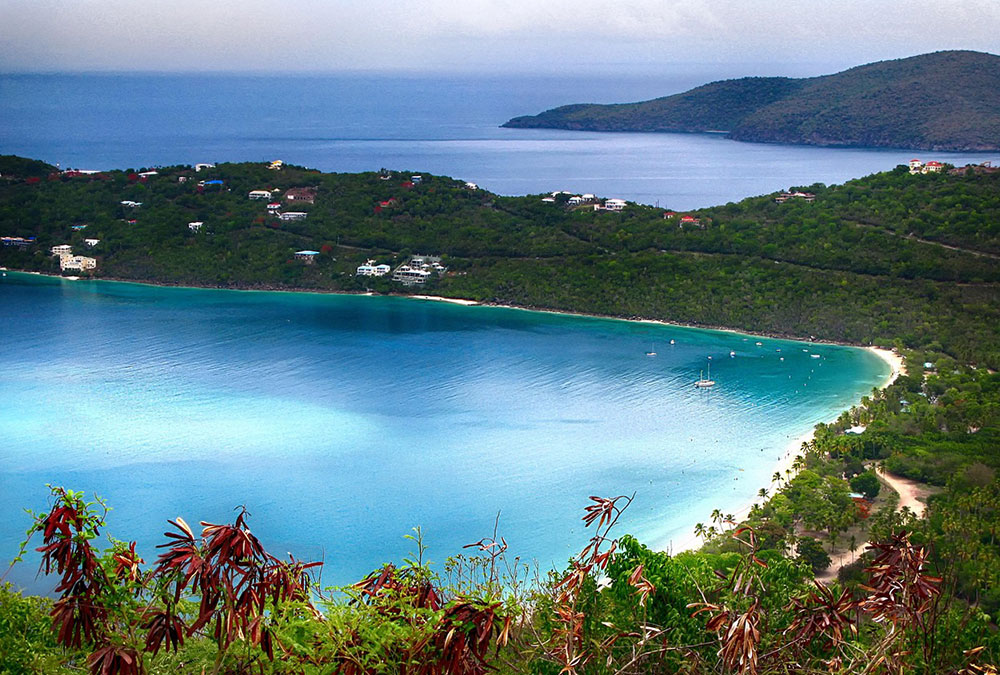
The shift of the yachting industry’s focus to the Caribbean for the next few months means it is time for crew to carry out a seasonal insurance check, making sure that their yacht crew health insurance covers them adequately and that their vaccines are up to date. This is particularly important for crew leaving the Mediterranean and crossing the Atlantic for the winter months.
Health awareness in the tropics
The health risks in the Caribbean aren’t especially high, but there are a few things to be both aware and wary of. Preparation is key.
For a start, make sure you are up to date with all your standard national and tropical vaccines, such as typhoid, polio, hepatitis, yellow fever, chickenpox, measles, mumps and rubella.
Rabies is present among animals on some Caribbean islands, so be careful if you are making shore excursions or taking hiking trips. Although most people talk about rabies in connection with dogs, the disease isn’t limited to them. For instance, bats are common in the Caribbean and are carriers as well. So a rabies shot could be a good idea if you know you’ll be spending plenty of time in or around islands where rabies has been reported, such as Antigua, for example.
Remember, you’ll need to have your vaccine injections and boosters according to a particular schedule, so make sure you allow sufficient time to have them done before you join the boat.
Prevention before cure
There isn’t a vaccine for every disease yet, or if there is, it might not yet be universally available. So prevention is important.
One disease with limited vaccine protection is dengue fever, which is a present in the Caribbean. The disease is carried by mosquitoes, so wear repellant if you’re spending time close to or on shore. If you’re overnighting on land, sleep under a mosquito net. The risk on board the yacht when it’s moored off the coast is far less, though mosquitoes can fly further than you’d think, several kilometres even.
Apart from disease, local food and drinking water can pose a risk. You’ll find some wonderful street food in the Caribbean, but be careful. Food poisoning and digestive problems are the most commonly reported health issues among travellers in the region. Raw fruit or seafood can be risky. The same goes for unbottled drinking water.
Superyacht crew safety in the Caribbean
Crime in the Caribbean varies from island to island, but generally speaking, tourists and visitors to the islands won’t be affected, provided they stay in the tourist hot spots.
And, we should stress that many islands have relatively low levels of crime and that crime on other islands is often limited to specific areas.
Essentially, use the same common sense approach you would in any country in the world. Be aware of your surroundings, don’t walk around with headphones on, don’t flash luxury goods about the place, stick to busy areas at night, etc.

Crew, know your cover
Medical insurance is one of those things most of us don’t really think about. Frankly, it’s pretty boring and policies are stuffed with minute details that would put even the most over-caffeinated person into a deep sleep.
Boring, that is, until something goes wrong. And that’s when the details make all the difference.
So the first rule of thumb for you as crew is to make sure you have proper maritime medical cover in place, either through the boat or privately yourself.
Do not, whatever you do, assume the boat has adequate cover in place for you. Yes, it’s likely the yacht has some insurance, but it’s also where boats can cut corners. A little less comprehensive here, a lower level of cover there …
Trust us, a seemingly irrelevant line item on a policy can seem trivial now, but it can make a world of difference when you’re lying in a hospital bed in a foreign country.
The good news? The better yachts have realised that offering first-rate benefits, including top-tier healthcare insurance, is one way of attracting the best talent on board.
And if your boat isn’t one of those yachts, you can take action yourself and make sure you have medical cover that gives you true peace of mind.
What Caribbean-bound crew should look out for in yacht crew health insurance
The absolute number one thing you need to take care of is that you are covered in US hospitals. If something happens to you in the Caribbean, there is a good chance you’ll be evacuated to an American medical facility, either directly or after a short stay in a local island hospital. That’s particularly true in serious cases.
That’s good news because US medical care is among the world’s best. It is also among the world’s most expensive. A stay in an American hospital can easily run into tens of thousands of dollars. Even six-figure medical bills aren’t uncommon. You don’t want to be paying that out of your own pocket.
So make sure your medical insurance covers you for the US. Most healthcare insurers offer two levels of geographical cover. Worldwide excluding the USA (and often Canada) and worldwide including the USA. Know for certain which one you have.
Ceilings, excesses and shortfalls
Good news, you’ve checked and you are covered for care in US medical facilities. Now dig a little deeper.
It’s common for all sorts of insurance policies, not just for medical insurance, to include tiers of cover. Exactly how extensive is your cover?
First, look at the maximum level of cover you’re entitled to. Up to what amount of money is your medical care covered? And, importantly, does it feel like it’s enough? Especially bearing in mind the eye-watering cost of hospital care in the US.
That’s a hard question to answer when you’re not a medical professional. But you’ll probably get more peace of mind knowing your insurance policy is the highest level the insurer offers rather than the lowest one.
Next, you need to consider the excesses on the policy. An excess is the amount you have to pay before the insurance kicks in. For example, you may have to pay the first $500 of a claim for a particular treatment before the insurer starts picking up the tab. Sometimes, the excess is a flat rate across the board, often it will vary depending on the treatment.
Another way medical insurers trim the amount of money they spend on your treatment is at the other end of the bill. While an excess is what you pay for the first part of the cost of your care, shortfalls are what you pay to top up what the insurer is prepared to pay.
An example
Let’s say a treatment costs $1,000 and you have a $500 excess and a $200 shortfall as part of your policy cover for that treatment.
The excess means your insurance only covers the part of the expense above $500.
The shortfall means the insurer will only pay up to the last $200 of the treatment cost.
In both cases, you (or the boat) have to make up the difference. Of the $1,000, you pay the first $500 and the last $200. The insurer pays the $300 in between.
So if you’re the one buying the cover, it’s important you know how much you’ll be paying yourself before the insurer dips into their funds. And if the boat has put a cover in place, be clear on who is picking up the excess or shortfall for any treatment you get: the boat or you.
Again, we cannot stress this enough, this can really hurt financially if the bill in question is from a US hospital.
Easy treatment payment options for crew and for boats
Have you ever considered how settling your medical bill works? Of course not. That’s the kind of thing you only think about when you have to do it. Frankly, we hope you never have to. But if you do, it’s best to know the mechanics beforehand.
There are two main ways you settle your treatment bill.
Either the insurer pays the hospital directly. That’s the smoothest and easiest all round.
Or you have to front up the money to pay the bill and then claim it against your insurance afterwards. That should be straightforward, and it usually is, but it still means you need to hang on to and submit receipts, on top of filling in forms, most likely online.
And then you have to wait until the insurer assesses your claim, decides which parts to honour or reject, and then sets the payment process in motion. Even with the most dedicated medical insurers that will take a little bit of time. All the while, there’s a hole in your personal bank account.
Fortunately, there is a third way. And it’s particularly well suited to yacht crew, who can find themselves in multiple locations over the course of a few weeks and faced with different local currencies.
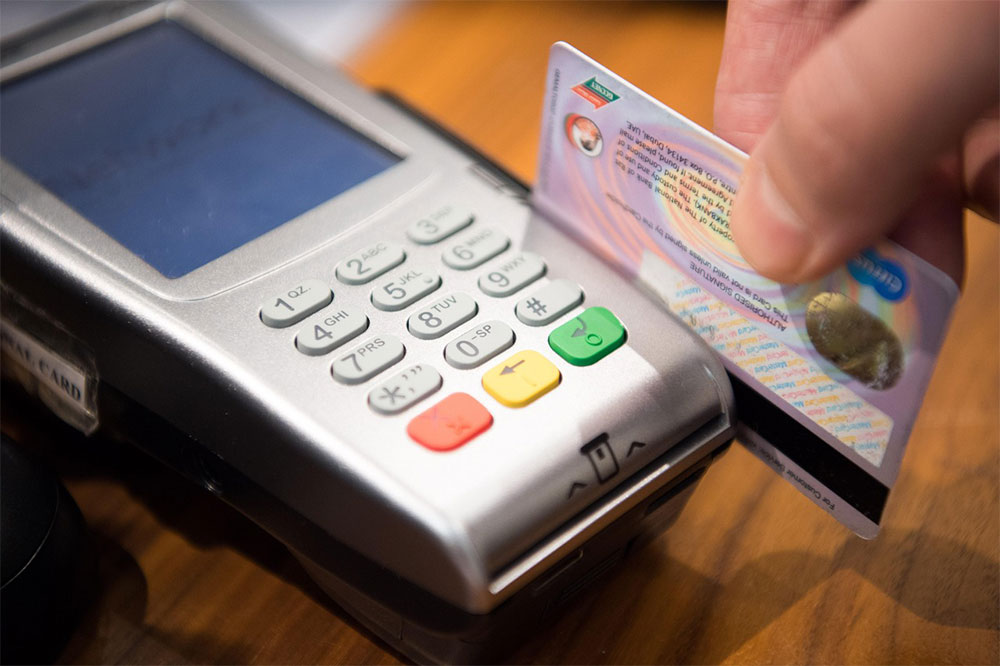
The top insurers offer a payment card system. Under the system, each person covered is given a payment card which, once a treatment has been green-lit, is loaded up with the funds needed to pay for it. Maximum flexibility for someone who visits lots of different locations. Regardless of where they are, they can pay for their treatment in the local currency.
Quick plug: the MarineSure yacht crew medical insurance we offer has exactly this easy payment card mechanism.
Group maritime medical cover for boats in the Caribbean
Any yacht that spends time in the Caribbean will need to make sure its group medical policy includes coverage for treatment in US hospitals. However, that can add a significant cost to an annual plan. That’s maybe acceptable to a boat that spends nearly all of its time in the Caribbean and in US and Canadian waters. But it’s a pain if your yacht spends half of the year in the Mediterranean, and only makes the annual voyage to the Caribbean from November to April.
So it’s worthwhile looking for group yacht crew health insurance that offers some geographical flexibility and makes allowance for the industry’s seasonal shift.
Another quick plug: MarineSure maritime medical cover does just that: six months’ cover in the Med, six months’ cover that includes treatment in the USA.
Healthcare cover is a necessity away from home
Anyone who works away from their national healthcare system as much as superyacht crew do needs medical insurance. It’s not a luxury. It’s a must have.
In some countries, the local public system, if it exists, may simply not be available to superyacht crew.
In others, you’ll be reliant on the private system and have to pay for your care yourself. If you’re in the Caribbean, that could very well mean you have to cover the cost of treatment in a US medical centre. We won’t lie. Good private medical cover is expensive. But it’s nowhere near as expensive as the bill from an American hospital.
Make sure you have adequate medical cover for the 2025-2026 Caribbean season. If you’re in doubt, contact us. We can help.